
Global Futures Community Collaboration Forum
Federation Hall
Thursday,
Jan 22, 2026 at 7:30 AM
- 9:30 AM EST
{
"name":"Global Futures Community Collaboration Forum",
"description": "https:\/\/ticketfi.com\/event\/6705\/global-futures-community-collaboration-forum\n\nJoin the University of Waterloo for our 2026 Global Futures community collaboration forum. Together, we will explore the innovative ideas and initiatives that engage local community partners.\n \nDate: Thursday, January 22, 2026\nTime: 7:30 to 9:30 a.m.\nLocation: Federation Hall, University of Waterloo (in-person only)\nParking: Complimentary parking will be available for registered guests in Lot M.\n\nProgram highlights:\n\n\n\t\n\tHear from President and Vice-Chancellor Vivek Goel on the progress we’ve made on our Waterloo at 100 long-term strategic vision.\n\t\n\t\n\tDiscover how initiatives advancing our Global Futures are tackling big challenges like housing and the future of work.\n\t\n\t\n\tCelebrate the launch of the University's 2026 Global Futures: Innovation Update report.\n\t\n\t\n\tShare more about your organization's priorities, challenges and opportunities, in order to explore how the University of Waterloo can collaborate with you for a prosperous and equitable region and world.\n\t\n\t\n\tNetwork with community and campus leaders, including a showcase of inspiring student-led initiatives.\n\t\n\n\nFuture Cities Institute, Leia Minaker and Phil Mills\nWhat if you could combine Waterloo’s world-class talent in math and engineering with strengths from North America’s largest School of Planning, rigorous applied research in economics, environmental science, health, and psychology, and apply it to city building? At the Future Cities Institute founded by CAIVAN, we’re doing exactly that. Working with municipalities, industry partners, and nonprofits, we’re developing tools to help streamline processes to accelerate building the kinds of prosperous communities we need for future generations to thrive. This talk will feature FCI’s partnership with BUILD NOW Waterloo – North America’s largest affordable housing initiative focused on homeownership. Working across sectors, a BUILD NOW Living Lab will answer critical questions about housing affordability, home ownership, and important tradeoffs in building high-quality neighbourhoods quickly and efficiently. \n \nFuture of Work and Learning, Edith Law and Joanne McKinley \nAI is a disruptive technology that is rapidly changing the world of work and learning. With the newly established Future of Work Institute and partnership with Google, we have a vehicle to push for creative and unconventional research, education pilots and community engagement programs that will help us proactively shape this future. In this talk, we will introduce these upcoming initiatives and partnership opportunities. \n\nSTUDENT SHOWCASE\n\nMandel Diagnostics\nMandel Diagnostics has developed an automated screening device that detects age-related macular degeneration, the leading cause of vision loss, enabling eye doctors to apply new therapies approved in 2024 instead of referring patients to surgeons. This saves payers up to $8,000 per patient annually compared to late-stage treatments while helping patients preserve their vision into their 90s and beyond.\n\nCo-operative and Experiential Education\nAnna Wei and Anajanaa Vimalathas completed co-op work terms on either side of the Atlantic. Anna, a second-year Systems Design Engineering (SYDE) student, went to HZ University of Applied Science in the Netherlands to study the effect of environmental variables on flat oysters. The province of Zeeland has seen the wild population of the native flat oyster drastically decline in recent decades. Anna got to run experimental trials and analyze the experimental data she collected. She is a recipient of the Co-op for Good: SYDE award which gives SYDE students an opportunity to work with non-profit organizations, charities or non-governmental organizations with a clear connection to addressing social or environmental challenges. Anajanaa, a third-year Health Sciences student, stayed here in Waterloo Region and worked at the Waterloo Regional Health Network - Midtown as a Medical Physics Technician QA student. Her work included routine quality assurance procedures on radiation therapy (RT) equipment and contributes to the research of cancer care disparities and development initiatives of RT technologies. While deepening her technical understanding of medical physics, she also engaged in both non-clinical and research-based projects.\n\nFutures Lab\nSponsored by Google and led by Professor Edith Law at University of Waterloo, Futures Lab is an AI+UX prototyping workshop that invites university students from all disciplines to explore how emerging AI technologies can reshape the way we learn and work. Over the course of 8 weeks, students work both individually and in interdisciplinary teams to prototype learning tools. In parallel, this workshop will cultivate the essential skills required to live and lead in an AI-driven world. Students will move beyond being passive users and become critical, discerning architects of their interactions with AI. This includes developing proficiency in prompt engineering, learning to rigorously test and validate AI outputs, critically examining AI-generated information for potential biases and inaccuracies, and thinking about the broader implications of AI technology and its adoption. In this showcase, you will see demos of the learning tools created by two award winning student teams - PipettePro and Kanji Garden.\n\nFuture Cities Institute\nFinding the right balance between building new housing, protecting our environment, and ensuring affordability is one of the biggest challenges facing our communities today. The FCI is developing a new tool to help local governments make data-driven decisions about where and how to grow our communities.\n\nThis interactive platform brings together critical information about infrastructure capacity, environmental impacts, and housing affordability into one easy-to-use dashboard. Municipal planners and community leaders can explore different development scenarios and immediately see the trade-offs—understanding whether a potential site has adequate water and transportation services, how it affects environmental goals, and what types of housing residents can actually afford based on local income levels.\n\nBy revealing geographic gaps in affordable housing and showing where infrastructure can support growth, this tool empowers communities to make data-driven decisions that balance competing priorities. Instead of relying on assumptions or incomplete information, stakeholders can visualize how different choices impact their community's future across environmental, social, and economic futures. The result is more transparent, informed decision-making that better serves residents' needs while protecting the places we call home."\n\nPiece of Mind\nRecent psychology graduate, Olivia Vento, is designing jigsaw puzzles to combat boredom, social isolation, and loneliness among seniors. While Canada’s senior population continues to grow, few recreational activities are both accessible and age-appropriate. Standard adult puzzles contain hundreds of tiny pieces that are unmanageable for individuals with vision loss, reduced dexterity, or cognitive changes. The only alternatives are children’s puzzles, leaving seniors and families with very few dignified ways to engage and connect. To address this gap, Olivia founded Piece of Mind, a developing social venture creating puzzles that support mental engagement and social connection. Through research, community consultation, and early prototyping, Piece of Mind puzzles are being designed with large pieces, a guiding grid on the back, and the ability to be completed directly in the box. Artwork by local artists is intended to spark conversation and memory. With a background in psychology, community outreach, and play-based engagement, Olivia is passionate about bringing the benefits of play to a population often overlooked. Supported by GreenHouse, Piece of Mind is a recipient of the Social Impact Fund and Inclusive Designer Award. Olivia looks forward to sharing prototypes and connecting with community members invested in seniors’ well-being and fellow puzzle enthusiasts!\n\nCross-Voxel Exchange Model (CVXM) \nTumours rely on abnormal blood vessels to support their rapid growth. Unlike healthy vessels, tumour blood vessels are often disorganized and leaky, leading to uneven blood flow and poor drug distribution. This makes it difficult for treatments such as chemotherapy to reach all areas of a tumour, reducing effectiveness and contributing to treatment resistance. As a result, accurately visualizing and modelling how drugs move through tumours is critical for improving cancer care.\n\nThe Cross-Voxel Exchange Model was developed at Princess Margaret Cancer Centre to address limitations in simpler models by capturing how substances move between blood vessels and surrounding tissue using MRI data. While CVXM provides valuable insight into tumour transport, its current implementation models a tumour as a set of 2D slices. A proper 3D approach would provide improved spatial fidelity.\n\nThis project expands CVXM to 3D, creating a more realistic representation of drug transport within tumours. The new implementation is in Python, to leverage high-performance computing libraries, and also includes a visualizer. This work lays the foundation for improved predictions of treatment effectiveness and supports the development of more personalized cancer therapies, helping bridge the gap between research tools and clinical applications."",
"startDate":"2026-01-22",
"endDate":"2026-01-22",
"startTime":"07:30",
"endTime":"09:30",
"location":"Federation Hall - Federation Hall Waterloo ON N2L 3G5 Canada",
"label":"Add to Calendar",
"options":[
"Apple",
"Google",
"iCal",
"Microsoft365",
"Outlook.com",
"Yahoo"
],
"timeZone":"US/Eastern",
"trigger":"click",
"inline":true,
"listStyle":"modal",
"iCalFileName":"invite.ics"
}
Event Details
Join the University of Waterloo for our 2026 Global Futures community collaboration forum. Together, we will explore the innovative ideas and initiatives that engage local community partners.
Date: Thursday, January 22, 2026
Time: 7:30 to 9:30 a.m.
Location: Federation Hall, University of Waterloo (in-person only)
Parking: Complimentary parking will be available for registered guests in Lot M.
Program highlights:
-
Hear from President and Vice-Chancellor Vivek Goel on the progress we’ve made on our Waterloo at 100 long-term strategic vision.
-
Discover how initiatives advancing our Global Futures are tackling big challenges like housing and the future of work.
-
Celebrate the launch of the University's 2026 Global Futures: Innovation Update report.
-
Share more about your organization's priorities, challenges and opportunities, in order to explore how the University of Waterloo can collaborate with you for a prosperous and equitable region and world.
-
Network with community and campus leaders, including a showcase of inspiring student-led initiatives.
Future Cities Institute, Leia Minaker and Phil Mills
What if you could combine Waterloo’s world-class talent in math and engineering with strengths from North America’s largest School of Planning, rigorous applied research in economics, environmental science, health, and psychology, and apply it to city building? At the Future Cities Institute founded by CAIVAN, we’re doing exactly that. Working with municipalities, industry partners, and nonprofits, we’re developing tools to help streamline processes to accelerate building the kinds of prosperous communities we need for future generations to thrive. This talk will feature FCI’s partnership with BUILD NOW Waterloo – North America’s largest affordable housing initiative focused on homeownership. Working across sectors, a BUILD NOW Living Lab will answer critical questions about housing affordability, home ownership, and important tradeoffs in building high-quality neighbourhoods quickly and efficiently.
Future of Work and Learning, Edith Law and Joanne McKinley
AI is a disruptive technology that is rapidly changing the world of work and learning. With the newly established Future of Work Institute and partnership with Google, we have a vehicle to push for creative and unconventional research, education pilots and community engagement programs that will help us proactively shape this future. In this talk, we will introduce these upcoming initiatives and partnership opportunities.
STUDENT SHOWCASE
Mandel Diagnostics
Mandel Diagnostics has developed an automated screening device that detects age-related macular degeneration, the leading cause of vision loss, enabling eye doctors to apply new therapies approved in 2024 instead of referring patients to surgeons. This saves payers up to $8,000 per patient annually compared to late-stage treatments while helping patients preserve their vision into their 90s and beyond.
Co-operative and Experiential Education
Anna Wei and Anajanaa Vimalathas completed co-op work terms on either side of the Atlantic. Anna, a second-year Systems Design Engineering (SYDE) student, went to HZ University of Applied Science in the Netherlands to study the effect of environmental variables on flat oysters. The province of Zeeland has seen the wild population of the native flat oyster drastically decline in recent decades. Anna got to run experimental trials and analyze the experimental data she collected. She is a recipient of the Co-op for Good: SYDE award which gives SYDE students an opportunity to work with non-profit organizations, charities or non-governmental organizations with a clear connection to addressing social or environmental challenges. Anajanaa, a third-year Health Sciences student, stayed here in Waterloo Region and worked at the Waterloo Regional Health Network - Midtown as a Medical Physics Technician QA student. Her work included routine quality assurance procedures on radiation therapy (RT) equipment and contributes to the research of cancer care disparities and development initiatives of RT technologies. While deepening her technical understanding of medical physics, she also engaged in both non-clinical and research-based projects.
Futures Lab
Sponsored by Google and led by Professor Edith Law at University of Waterloo, Futures Lab is an AI+UX prototyping workshop that invites university students from all disciplines to explore how emerging AI technologies can reshape the way we learn and work. Over the course of 8 weeks, students work both individually and in interdisciplinary teams to prototype learning tools. In parallel, this workshop will cultivate the essential skills required to live and lead in an AI-driven world. Students will move beyond being passive users and become critical, discerning architects of their interactions with AI. This includes developing proficiency in prompt engineering, learning to rigorously test and validate AI outputs, critically examining AI-generated information for potential biases and inaccuracies, and thinking about the broader implications of AI technology and its adoption. In this showcase, you will see demos of the learning tools created by two award winning student teams - PipettePro and Kanji Garden.
Future Cities Institute
Finding the right balance between building new housing, protecting our environment, and ensuring affordability is one of the biggest challenges facing our communities today. The FCI is developing a new tool to help local governments make data-driven decisions about where and how to grow our communities.
This interactive platform brings together critical information about infrastructure capacity, environmental impacts, and housing affordability into one easy-to-use dashboard. Municipal planners and community leaders can explore different development scenarios and immediately see the trade-offs—understanding whether a potential site has adequate water and transportation services, how it affects environmental goals, and what types of housing residents can actually afford based on local income levels.
By revealing geographic gaps in affordable housing and showing where infrastructure can support growth, this tool empowers communities to make data-driven decisions that balance competing priorities. Instead of relying on assumptions or incomplete information, stakeholders can visualize how different choices impact their community's future across environmental, social, and economic futures. The result is more transparent, informed decision-making that better serves residents' needs while protecting the places we call home."
Piece of Mind
Recent psychology graduate, Olivia Vento, is designing jigsaw puzzles to combat boredom, social isolation, and loneliness among seniors. While Canada’s senior population continues to grow, few recreational activities are both accessible and age-appropriate. Standard adult puzzles contain hundreds of tiny pieces that are unmanageable for individuals with vision loss, reduced dexterity, or cognitive changes. The only alternatives are children’s puzzles, leaving seniors and families with very few dignified ways to engage and connect. To address this gap, Olivia founded Piece of Mind, a developing social venture creating puzzles that support mental engagement and social connection. Through research, community consultation, and early prototyping, Piece of Mind puzzles are being designed with large pieces, a guiding grid on the back, and the ability to be completed directly in the box. Artwork by local artists is intended to spark conversation and memory. With a background in psychology, community outreach, and play-based engagement, Olivia is passionate about bringing the benefits of play to a population often overlooked. Supported by GreenHouse, Piece of Mind is a recipient of the Social Impact Fund and Inclusive Designer Award. Olivia looks forward to sharing prototypes and connecting with community members invested in seniors’ well-being and fellow puzzle enthusiasts!
Cross-Voxel Exchange Model (CVXM)
Tumours rely on abnormal blood vessels to support their rapid growth. Unlike healthy vessels, tumour blood vessels are often disorganized and leaky, leading to uneven blood flow and poor drug distribution. This makes it difficult for treatments such as chemotherapy to reach all areas of a tumour, reducing effectiveness and contributing to treatment resistance. As a result, accurately visualizing and modelling how drugs move through tumours is critical for improving cancer care.
The Cross-Voxel Exchange Model was developed at Princess Margaret Cancer Centre to address limitations in simpler models by capturing how substances move between blood vessels and surrounding tissue using MRI data. While CVXM provides valuable insight into tumour transport, its current implementation models a tumour as a set of 2D slices. A proper 3D approach would provide improved spatial fidelity.
This project expands CVXM to 3D, creating a more realistic representation of drug transport within tumours. The new implementation is in Python, to leverage high-performance computing libraries, and also includes a visualizer. This work lays the foundation for improved predictions of treatment effectiveness and supports the development of more personalized cancer therapies, helping bridge the gap between research tools and clinical applications."
Speakers
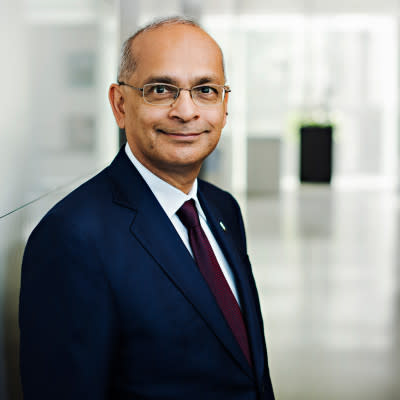
President and Vice-Chancellor
University of Waterloo

Executive Director, Future of Work Institute
University of Waterloo
Director of Software Development
Chief Executive Officer
Habitat for Humanity Waterloo Region
Director, Future Cities Institute
University of Waterloo
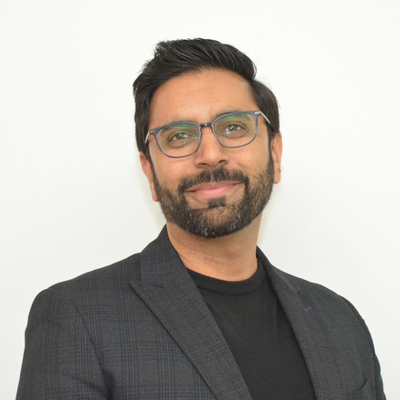
Executive Director, Global Futures Networks
University of Waterloo
Location
Federation Hall
200 University Ave West Waterloo, ON N2L 3G5 CA
Tickets
Type |
Price |
|---|---|
|
RSVP |
Free |
Organizer Details

University of Waterloo
In the heart of Waterloo Region, at the forefront of innovation, the University of Waterloo is home to world-changing research and inspired teaching. At the hub of a growing network of global partnerships, Waterloo will shape the future by building bridges with industry and between disciplines, institutions and communities.


